B BRAUN L5202 DEXTROSE INJECTIONS USP Dextrose Injections, 10%, 250mL, EXCEL® Containers, 24/cs (Minimum Expiry Lead is 90 days) Max weekly quantity allowed: 10
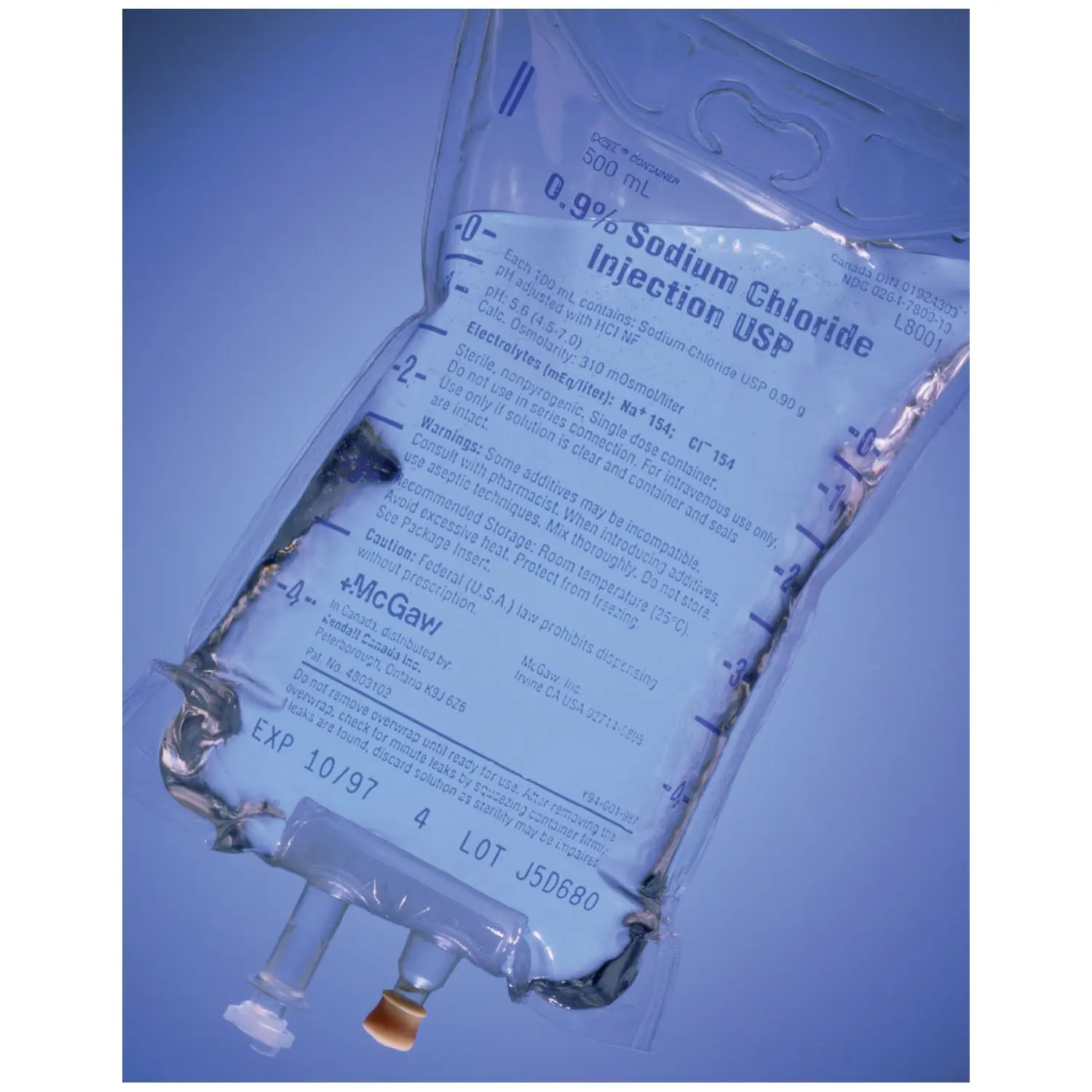
B BRAUN L5202 DEXTROSE INJECTIONS USP Dextrose Injections, 10%, 250mL, EXCEL® Containers, 24/cs (Minimum Expiry Lead is 90 days) Max weekly quantity allowed: 10
Original: $154.00
-65%$154.00
$53.90The Story
B BRAUN L5202 DEXTROSE INJECTIONS USP Dextrose Injections, 10%, 250mL, EXCEL® Containers, 24/cs (Minimum Expiry Lead is 90 days) Max weekly quantity allowed: 10
• Model: L5202
• Volume: 250 mL
• Case of 24
EXCEL & PAB, the only PVC-free, DEHP-free containers with a full range of basic IV solutions. EXCEL & PAB eliminate the risk of plasticizer toxicity, reduces the risk of sub-therapeutic dosing and facilitate inspection of admixtures.
The L5202 10% Dextrose Injection USP in a 250 mL EXCEL® bag is designed as a hypertonic glucose solution delivering both calories and fluid for hydration. With about 10 g of dextrose per 100 mL (thus ~25 g in total bag volume) and an osmolarity around 505 mOsmol/L, it provides a higher glucose load than isotonic dextrose solutions. This makes it suitable when patients require moderate glucose support along with intravenous hydration and fluid replacement, such as in post‑operative, nutritional support, or metabolic fluid management settings.
From a materials and workflow standpoint, the EXCEL® bag format offers advantages: the bag is free of natural rubber latex, PVC, and DEHP, which aligns with many institutional standards regarding allergen and plasticizer exposure. The compact 250 mL size permits more flexible dosing or fluid management in patients whose volume tolerance is limited, or in situations where a smaller infusion bag is appropriate. The packaging of 24 units per case facilitates efficient inventory planning in hospital pharmacies and IV therapy services.
Clinically, the 10% dextrose formulation should be used in appropriate contexts—where the higher osmolarity is acceptable and monitored. Because it is an electrolyte‑free dextrose solution, it is important to recognize that it lacks sodium, potassium or other electrolytes, and it should not be used concurrently with blood products due to the risk of red blood cell agglomeration. Appropriate patient selection, infusion rate monitoring, and checking for fluid status are critical. In sum, the L5202 offers a ready-to-use, higher‑concentration dextrose and fluid combination in a materials‑safe bag format, supporting targeted clinical usage in hydration plus caloric infusion scenarios.

Description
B BRAUN L5202 DEXTROSE INJECTIONS USP Dextrose Injections, 10%, 250mL, EXCEL® Containers, 24/cs (Minimum Expiry Lead is 90 days) Max weekly quantity allowed: 10
• Model: L5202
• Volume: 250 mL
• Case of 24
EXCEL & PAB, the only PVC-free, DEHP-free containers with a full range of basic IV solutions. EXCEL & PAB eliminate the risk of plasticizer toxicity, reduces the risk of sub-therapeutic dosing and facilitate inspection of admixtures.
The L5202 10% Dextrose Injection USP in a 250 mL EXCEL® bag is designed as a hypertonic glucose solution delivering both calories and fluid for hydration. With about 10 g of dextrose per 100 mL (thus ~25 g in total bag volume) and an osmolarity around 505 mOsmol/L, it provides a higher glucose load than isotonic dextrose solutions. This makes it suitable when patients require moderate glucose support along with intravenous hydration and fluid replacement, such as in post‑operative, nutritional support, or metabolic fluid management settings.
From a materials and workflow standpoint, the EXCEL® bag format offers advantages: the bag is free of natural rubber latex, PVC, and DEHP, which aligns with many institutional standards regarding allergen and plasticizer exposure. The compact 250 mL size permits more flexible dosing or fluid management in patients whose volume tolerance is limited, or in situations where a smaller infusion bag is appropriate. The packaging of 24 units per case facilitates efficient inventory planning in hospital pharmacies and IV therapy services.
Clinically, the 10% dextrose formulation should be used in appropriate contexts—where the higher osmolarity is acceptable and monitored. Because it is an electrolyte‑free dextrose solution, it is important to recognize that it lacks sodium, potassium or other electrolytes, and it should not be used concurrently with blood products due to the risk of red blood cell agglomeration. Appropriate patient selection, infusion rate monitoring, and checking for fluid status are critical. In sum, the L5202 offers a ready-to-use, higher‑concentration dextrose and fluid combination in a materials‑safe bag format, supporting targeted clinical usage in hydration plus caloric infusion scenarios.