Original: $81.00
-65%$81.00
$28.35The Story
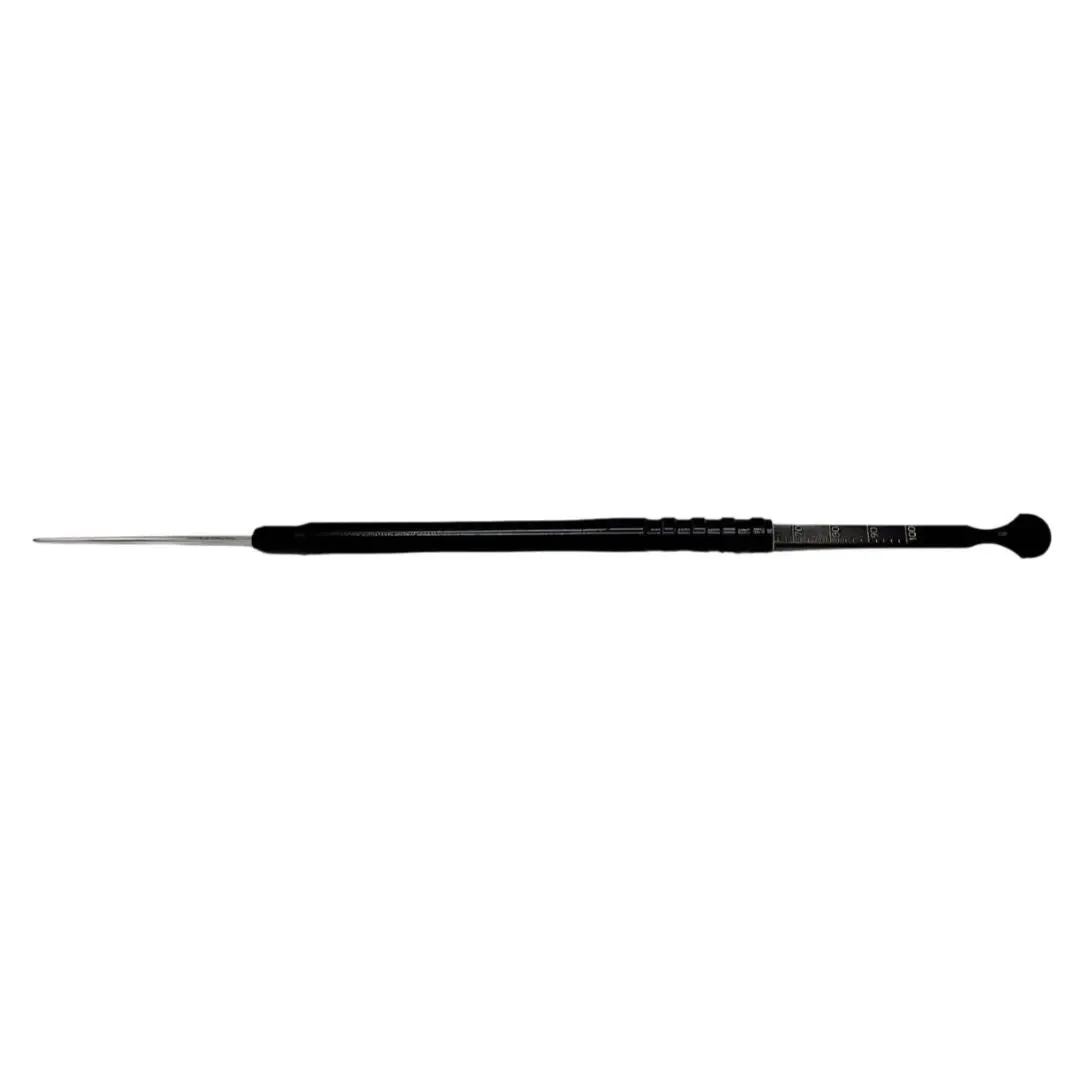
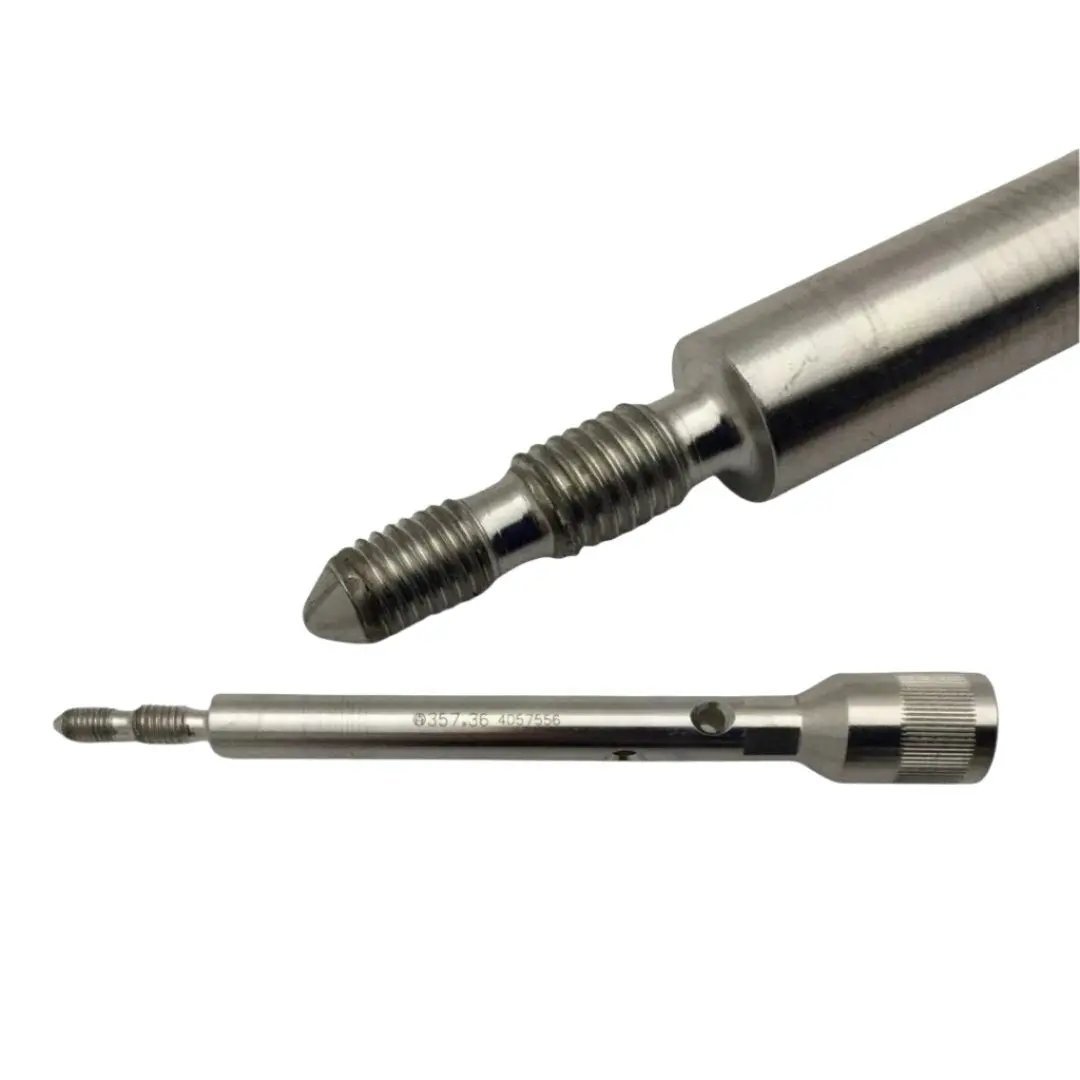
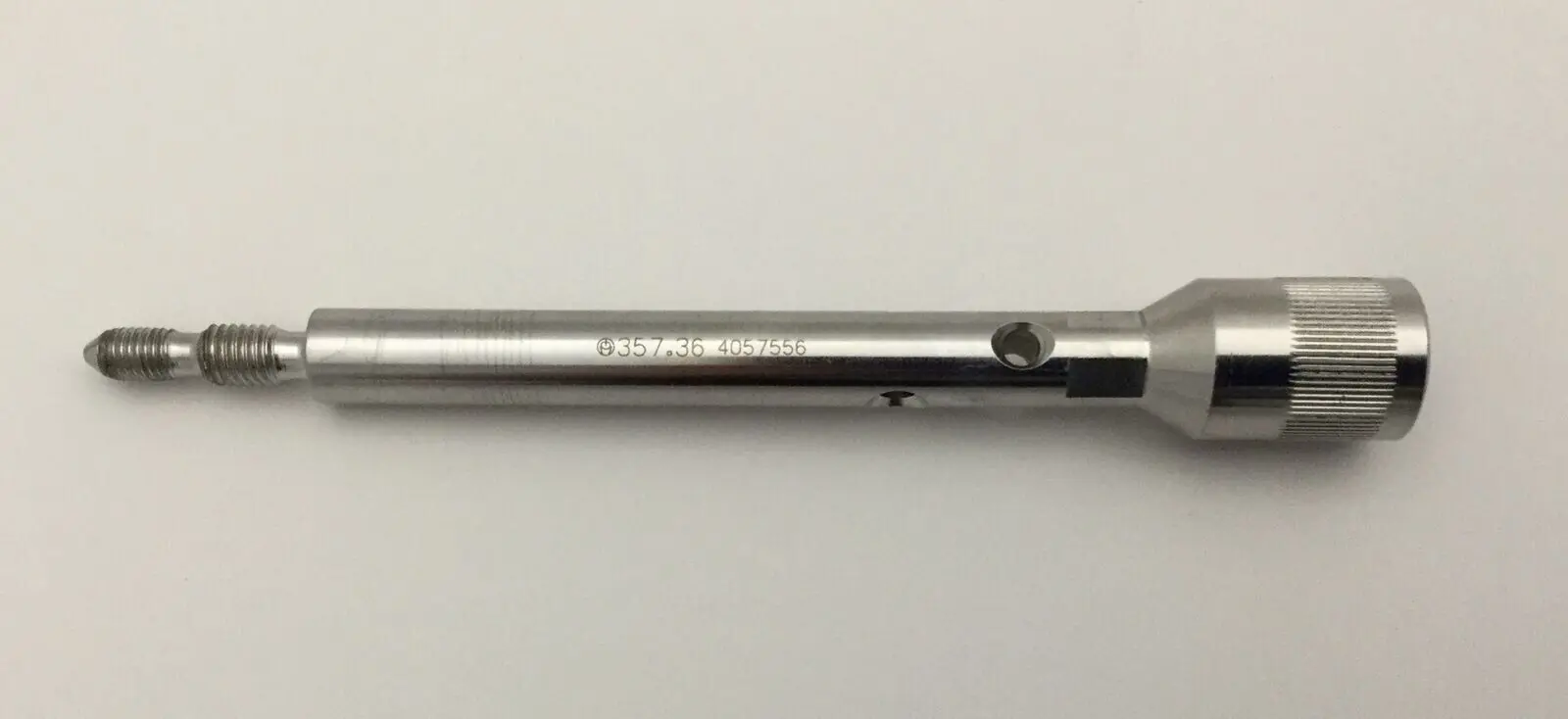
Synthes 357.36 Orthopedic Extractor
• Model: 357.36
• For spiral Blades
The Synthes 357.36 Extraction Screw is a specialized instrument used in orthopedic surgery to assist in the removal of spiral blades and femoral nails (both retrograde and antegrade). In intramedullary nail systems, spiral blades serve as part of the proximal fixation, particularly in systems designed to lock into the femoral head. If one of those blades needs extraction—because of revision surgery, fracture non‑union, implant failure, or to replace/adjust hardware—this extraction screw helps provide a secure interface to grip or engage the blade or nail so it can be backed out carefully. The extraction screw is thus part of the removal (or “hardware take‑out”) instrumentation rather than the implantation set itself.
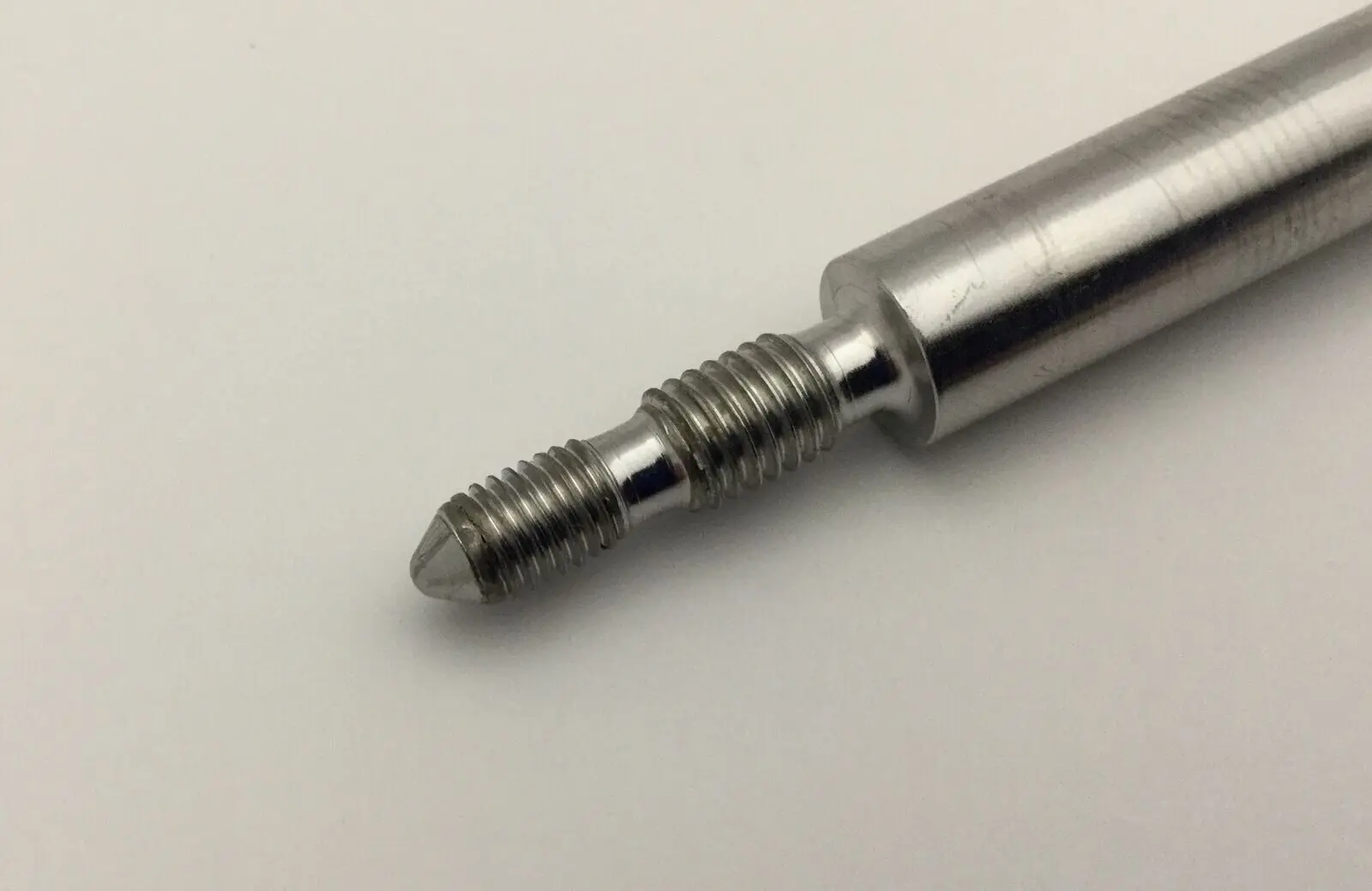
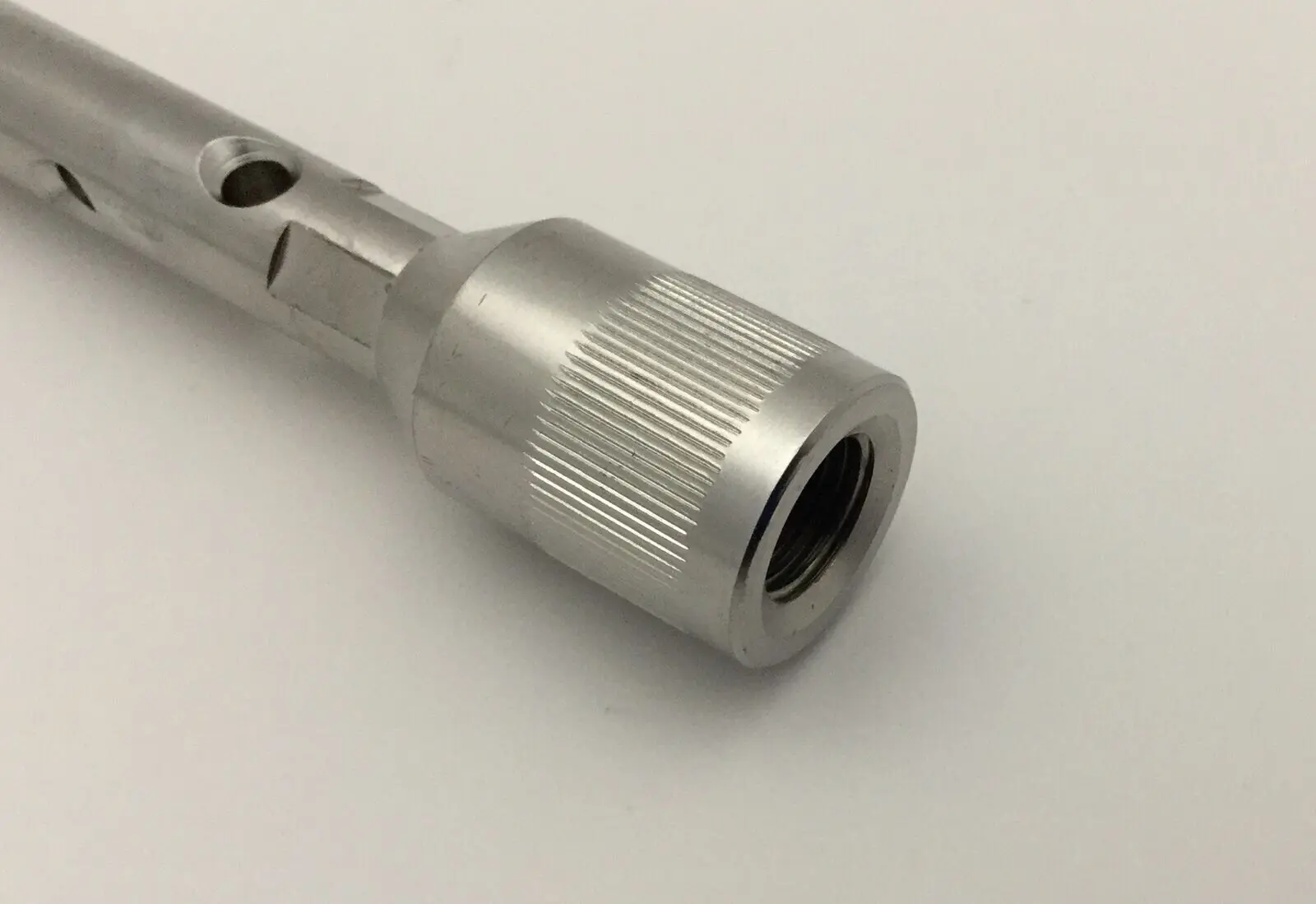
Design‑wise, the instrument likely includes a threaded portion that matches or mates with the internal thread of the spiral blade or the extraction fitting of the nail system. It might have a drive interface (hex, square, or another fitting) that allows the surgeon to attach a driver or handle (manual wrench or powered tool) to apply torque in the reverse direction. The screw must be made with precise tolerances so that it aligns well, does not damage the implant during engagement, and transmits force reliably without slipping. Because removal often occurs in less‑than‑ideal conditions (bone overgrowth, tissue adhesion, somewhat limited exposure), the design must balance strength with reliable fit.
Clinically, the 357.36 is crucial for hardware removal procedures. Without the correct extraction screw, removal of implanted nails or blades could be much more difficult, risk damaging bone, or require more invasive exposure. Surgeons will typically use imaging (fluoroscopy) to monitor the engagement, ensure correct alignment, and avoid damaging surrounding tissue during extraction. Also, because screw/implant removal is sometimes more prone to complications than implant insertion (due to bone growth, corrosion, or implant fatigue), having a reliable extraction tool reduces operative time and risk. In summary, 357.36 plays a role in a later stage of patient care: revision, removal, or adjustment operations rather than initial fixation.
This item is used and in good condition.
Details & Craftsmanship
Every detail has been carefully considered to bring you the perfect product.
Details & Craftsmanship
Every detail has been carefully considered to bring you the perfect product.
Details & Craftsmanship
Every detail has been carefully considered to bring you the perfect product.
Description
Synthes 357.36 Orthopedic Extractor
• Model: 357.36
• For spiral Blades
The Synthes 357.36 Extraction Screw is a specialized instrument used in orthopedic surgery to assist in the removal of spiral blades and femoral nails (both retrograde and antegrade). In intramedullary nail systems, spiral blades serve as part of the proximal fixation, particularly in systems designed to lock into the femoral head. If one of those blades needs extraction—because of revision surgery, fracture non‑union, implant failure, or to replace/adjust hardware—this extraction screw helps provide a secure interface to grip or engage the blade or nail so it can be backed out carefully. The extraction screw is thus part of the removal (or “hardware take‑out”) instrumentation rather than the implantation set itself.
Design‑wise, the instrument likely includes a threaded portion that matches or mates with the internal thread of the spiral blade or the extraction fitting of the nail system. It might have a drive interface (hex, square, or another fitting) that allows the surgeon to attach a driver or handle (manual wrench or powered tool) to apply torque in the reverse direction. The screw must be made with precise tolerances so that it aligns well, does not damage the implant during engagement, and transmits force reliably without slipping. Because removal often occurs in less‑than‑ideal conditions (bone overgrowth, tissue adhesion, somewhat limited exposure), the design must balance strength with reliable fit.
Clinically, the 357.36 is crucial for hardware removal procedures. Without the correct extraction screw, removal of implanted nails or blades could be much more difficult, risk damaging bone, or require more invasive exposure. Surgeons will typically use imaging (fluoroscopy) to monitor the engagement, ensure correct alignment, and avoid damaging surrounding tissue during extraction. Also, because screw/implant removal is sometimes more prone to complications than implant insertion (due to bone growth, corrosion, or implant fatigue), having a reliable extraction tool reduces operative time and risk. In summary, 357.36 plays a role in a later stage of patient care: revision, removal, or adjustment operations rather than initial fixation.
This item is used and in good condition.