The Story
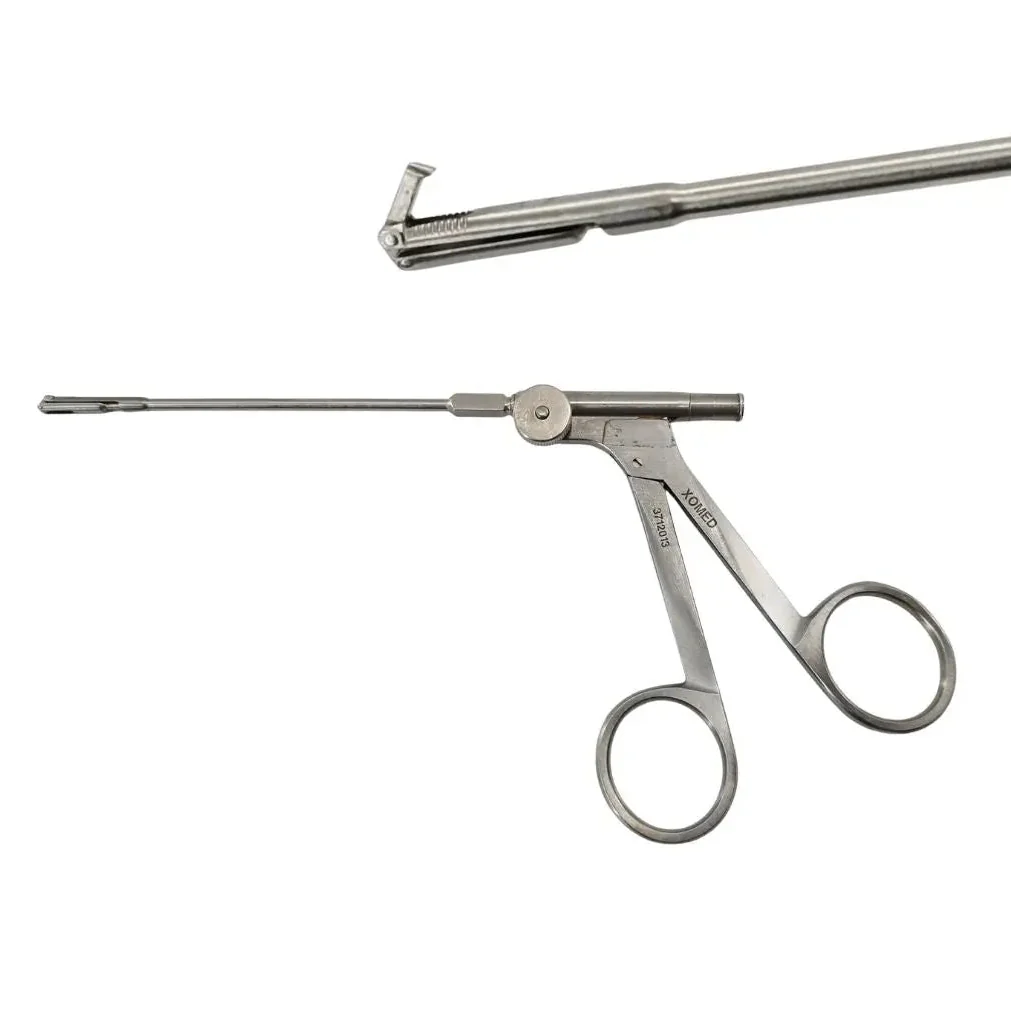
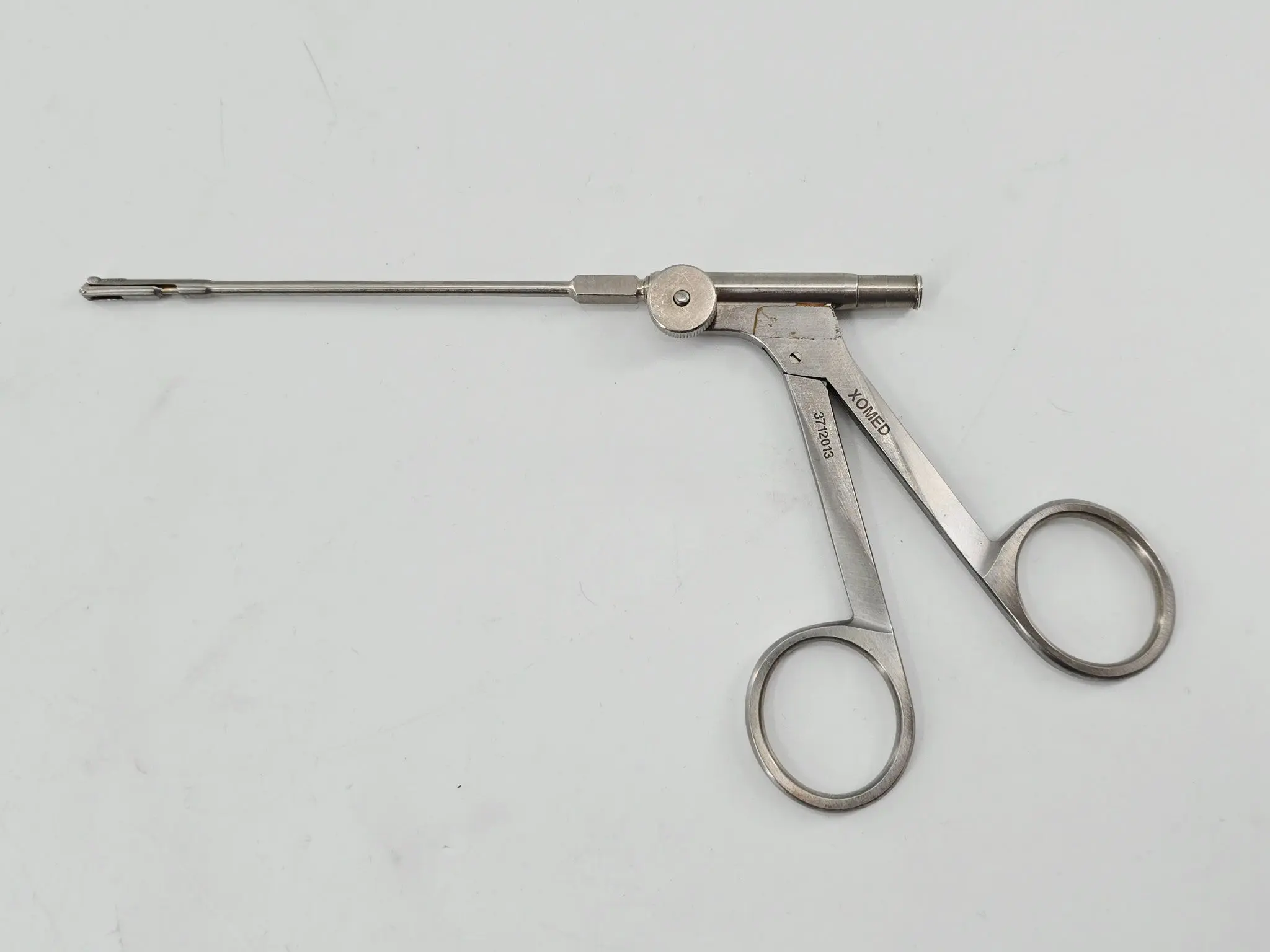
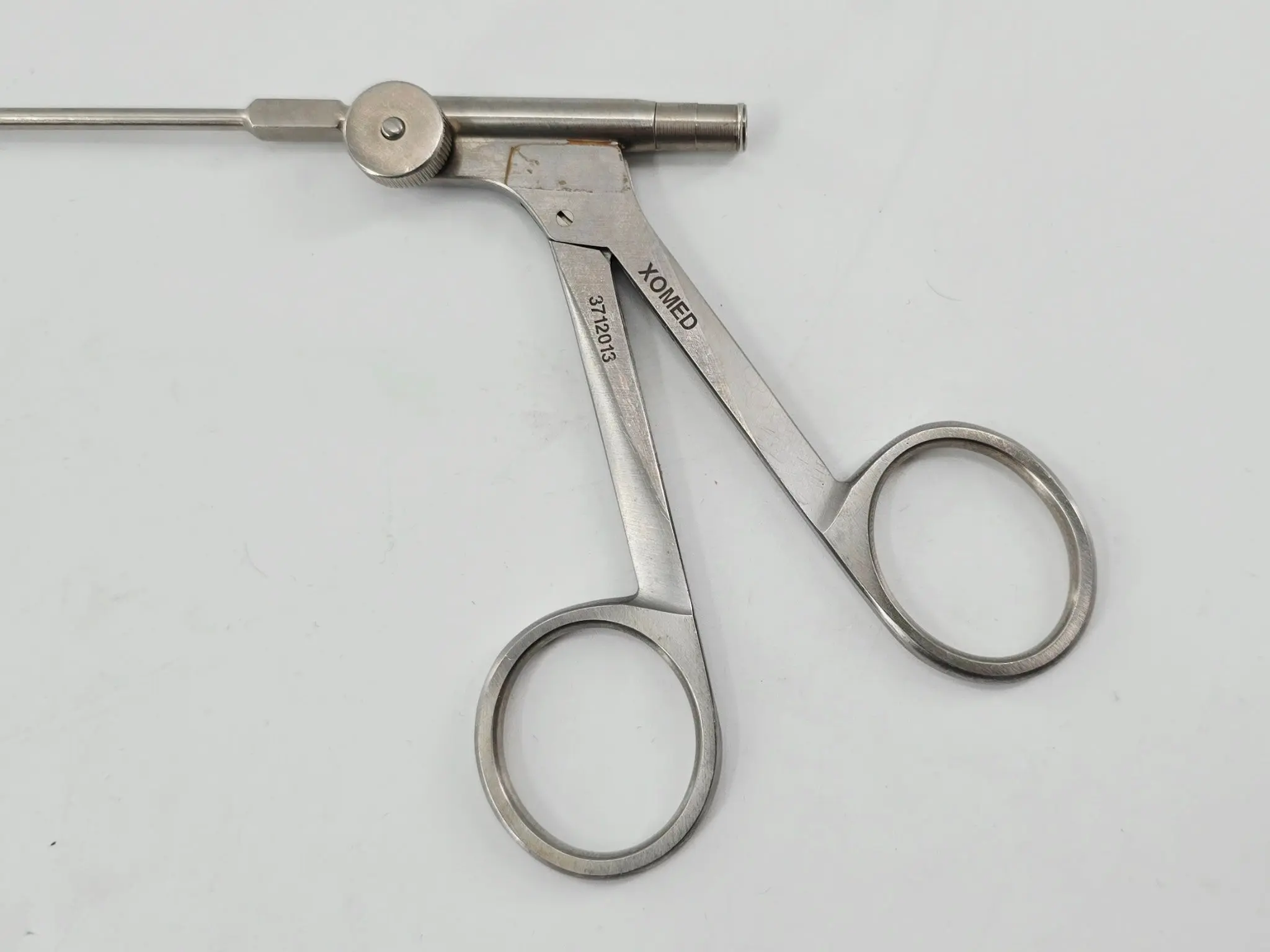
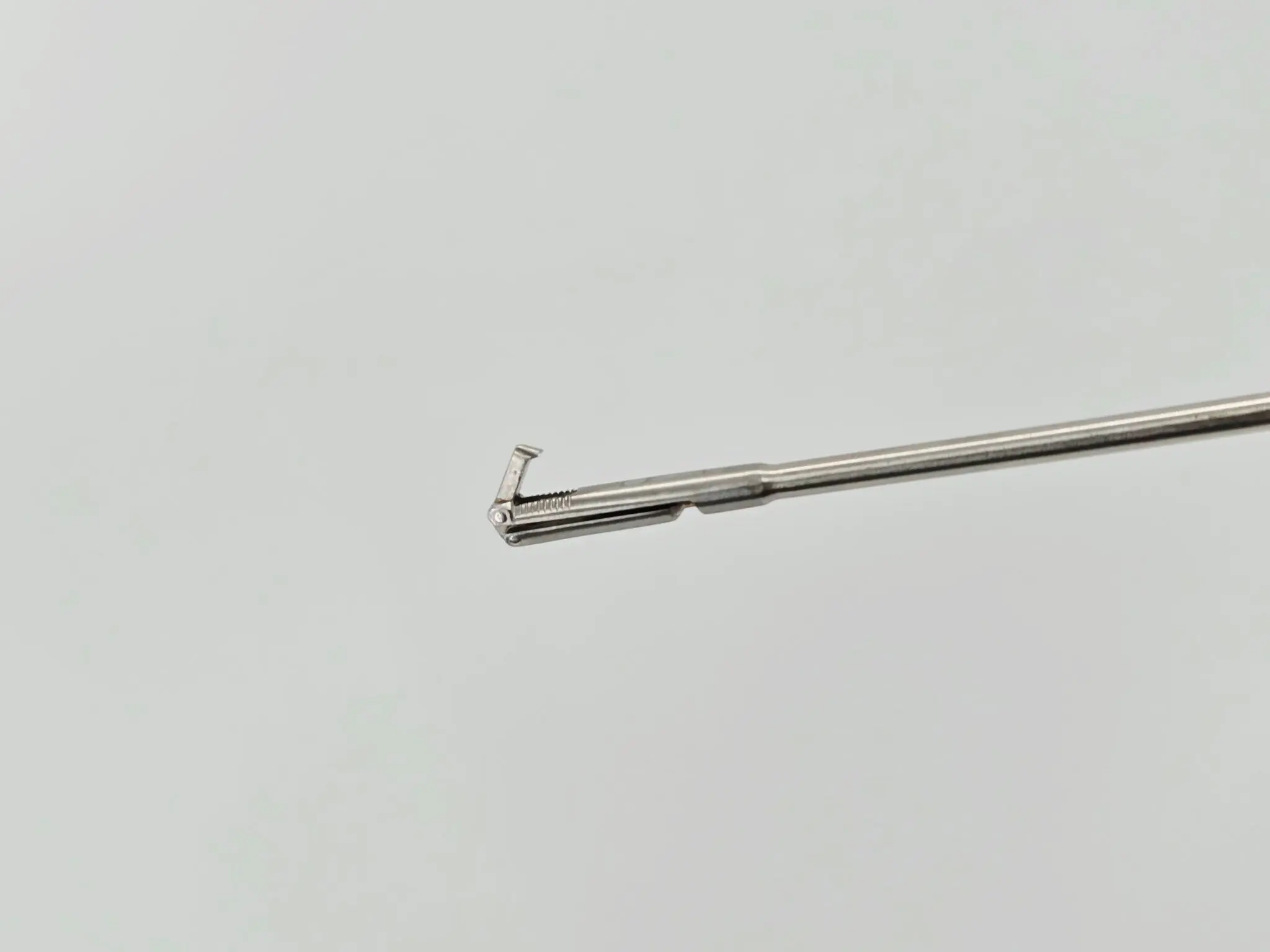
Xomed 3712013 Pediatric Backbiting Forceps Rotatable 1.5mm ENT 7-1/2"
• Model: 3712013
• Bite (Jaw) Size: 1.5 mm (bite width) x ~5.2 mm (jaw depth)
• Working Length: 3-7/8 inches
• Overall Length: 7-1/2 inches
Equip your sinus surgery set with the precision-engineered Xomed 3712013 Pediatric Rotating Backbiting Forceps (1.5 mm, 7-1/2") — a high-specialty tool designed for delicate bone and tissue removal in pediatric and narrow-anatomy ENT procedures. With a small 1.5 mm bite and compact 7.5-inch form factor, this instrument delivers finely controlled “back-bite” cuts, ideal for excising thin bony partitions, ethmoid septa, or sinus walls without excessive trauma. The result is accurate tissue removal while preserving surrounding structures, reducing risk to mucosa, and promoting safer surgical outcomes.
A defining advantage of this forceps is its rotatable head — enabling surgeons to precisely orient the cutting tip inside tight nasal or sinus passages without rotating the handle. This ergonomic feature significantly enhances maneuverability, especially in confined surgical corridors, and supports smoother transitions between instruments or angles during multi-step procedures. For pediatric sinusotomies, ethmoidectomy, or antrum access, the rotating backbiter offers both control and adaptability.
Manufactured by a trusted ENT instrument maker and built from surgical-grade stainless steel, the Xomed 3712013 is designed for durability and repeated sterilization — making it a reliable, long-term investment for busy ENT practices and surgical centers. Whether you specialize in pediatric ENT, sinus surgery, or advanced otolaryngology, this rotating back-biting forceps brings precision, versatility, and surgical confidence to challenging anatomical environments.
These surgical instruments have been previously used and show visible signs of wear consistent with their prior usage. Despite these signs, they remain in a usable condition, suitable for continued medical procedures.
Details & Craftsmanship
Every detail has been carefully considered to bring you the perfect product.
Details & Craftsmanship
Every detail has been carefully considered to bring you the perfect product.
Details & Craftsmanship
Every detail has been carefully considered to bring you the perfect product.
Description
Xomed 3712013 Pediatric Backbiting Forceps Rotatable 1.5mm ENT 7-1/2"
• Model: 3712013
• Bite (Jaw) Size: 1.5 mm (bite width) x ~5.2 mm (jaw depth)
• Working Length: 3-7/8 inches
• Overall Length: 7-1/2 inches
Equip your sinus surgery set with the precision-engineered Xomed 3712013 Pediatric Rotating Backbiting Forceps (1.5 mm, 7-1/2") — a high-specialty tool designed for delicate bone and tissue removal in pediatric and narrow-anatomy ENT procedures. With a small 1.5 mm bite and compact 7.5-inch form factor, this instrument delivers finely controlled “back-bite” cuts, ideal for excising thin bony partitions, ethmoid septa, or sinus walls without excessive trauma. The result is accurate tissue removal while preserving surrounding structures, reducing risk to mucosa, and promoting safer surgical outcomes.
A defining advantage of this forceps is its rotatable head — enabling surgeons to precisely orient the cutting tip inside tight nasal or sinus passages without rotating the handle. This ergonomic feature significantly enhances maneuverability, especially in confined surgical corridors, and supports smoother transitions between instruments or angles during multi-step procedures. For pediatric sinusotomies, ethmoidectomy, or antrum access, the rotating backbiter offers both control and adaptability.
Manufactured by a trusted ENT instrument maker and built from surgical-grade stainless steel, the Xomed 3712013 is designed for durability and repeated sterilization — making it a reliable, long-term investment for busy ENT practices and surgical centers. Whether you specialize in pediatric ENT, sinus surgery, or advanced otolaryngology, this rotating back-biting forceps brings precision, versatility, and surgical confidence to challenging anatomical environments.
These surgical instruments have been previously used and show visible signs of wear consistent with their prior usage. Despite these signs, they remain in a usable condition, suitable for continued medical procedures.